

Türkiye has successfully carried out the initial test firing of its Kemankes mini intelligent cruise missile, leading Turkish defense industry firm Baykar said on Thursday.
An indigenously produced Bayraktar TB2 drone successfully fired a Kemankes missile from a distance of 20 kilometers (12 miles) in northwestern Edirne province. The missile reached the determined target area and performed its mission.
The name “Kemankes” derives from Turkish archers in history who struck their targets with complete accuracy even in the most challenging conditions.
Baykar's nationally developed drones Bayraktar Akinci, Bayraktar TB2 and Bayraktar TB3 are fit to be equipped with Kemankes.
The missile operates autonomously with an artificial intelligence-supported autopilot system and has a flight duration of one hour.
Kemankes is able to operate during the day and night and is resistant to any attempts of electronic jamming due to its anti-jamming capabilities.
The missile conducts all line-of-sight communications over the main unmanned platform it is attached to. Accordingly, it can transmit telemetry data and video to the ground control station through the attached main platform.
Source: Anadolu Agency

Unmanned combat aerial vehicle Bayraktar AKINCI hit the point 140 kilometers away.
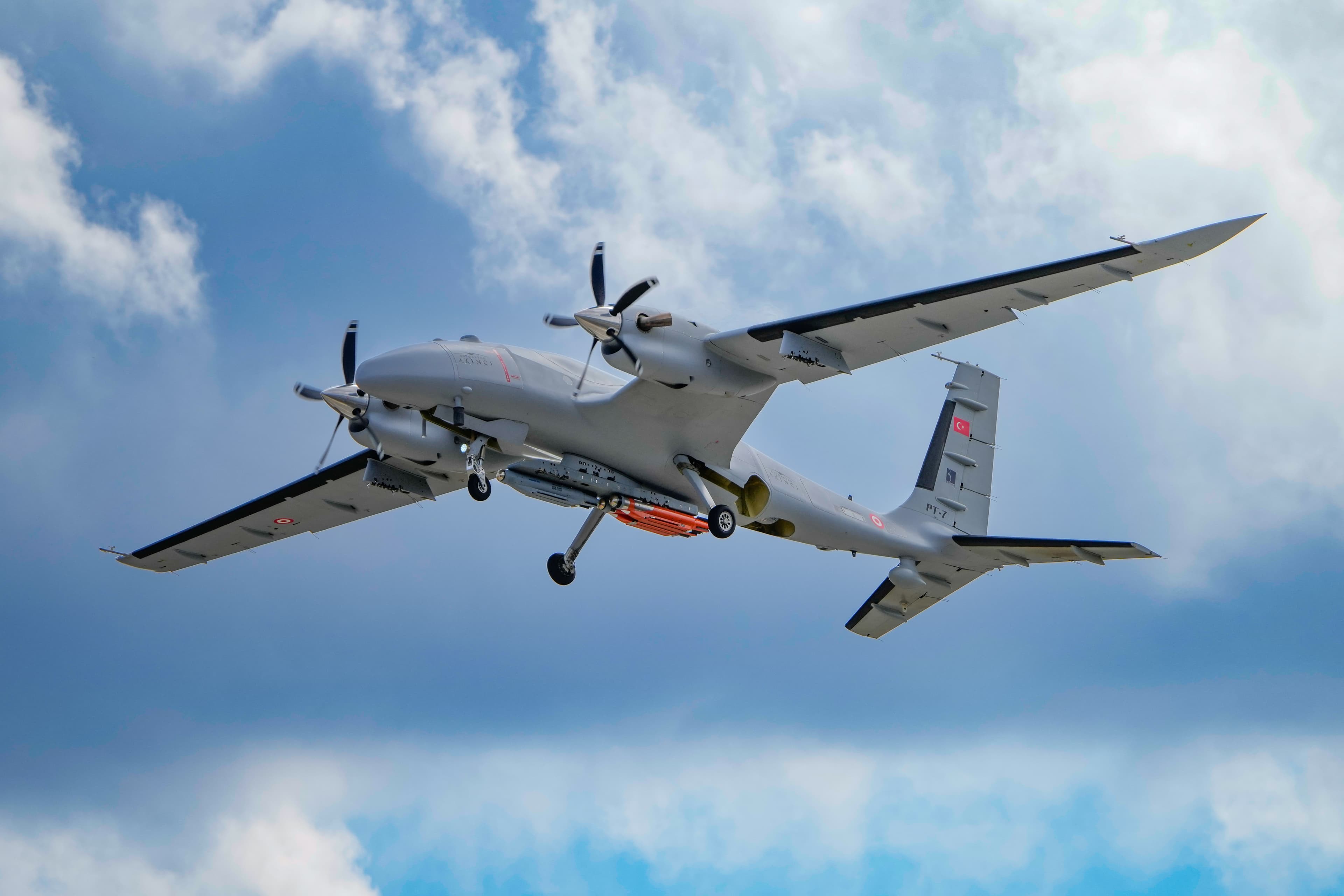
The Bayraktar AKINCI UCAV successfully hit its target with Türkiye’s indigenous TOLUN IIR guided munition, which features an infrared seeker head, during a test firing.
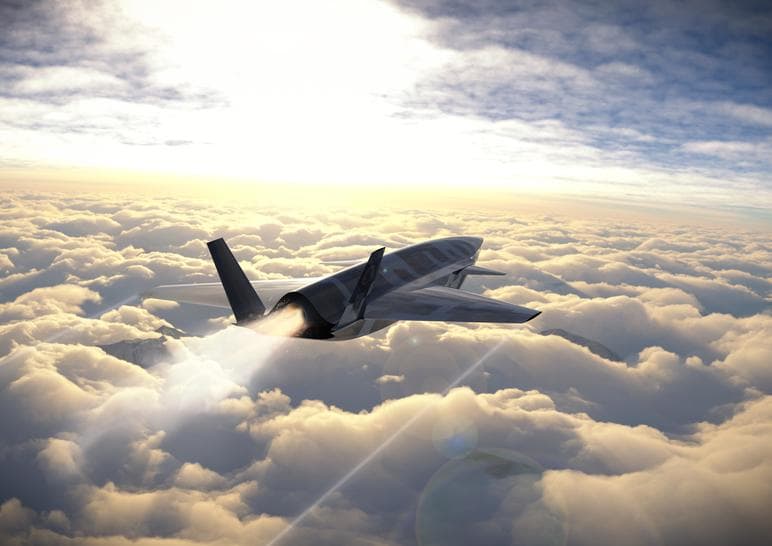
Some details on Turkey’s domestically-made unmanned fighter jet, which is expected to make its maiden flight in 2023, were revealed by the chief technology officer (CTO) of leading local drone magnate, Baykar.
Maintenance, Repair & Overhaul (MRO) Center
Service Provider for Unmanned Aerial Vehicles
All Rights Reserved. © 2026
